


PRODUCT DETAILS
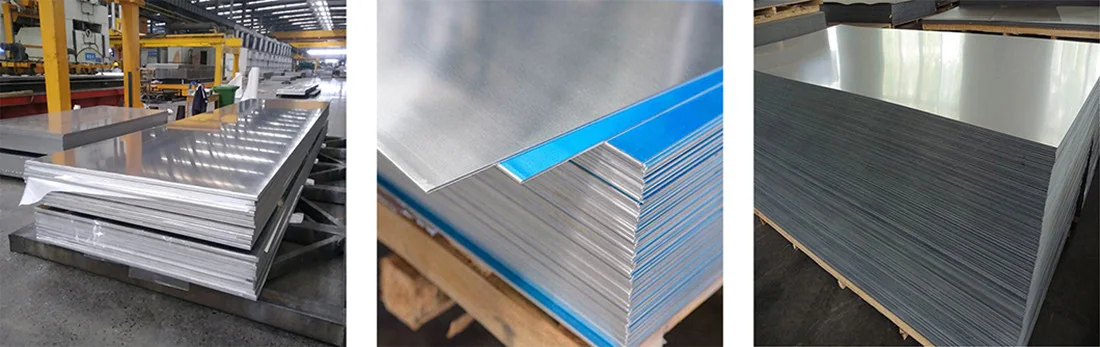
PRODUCT SHOW
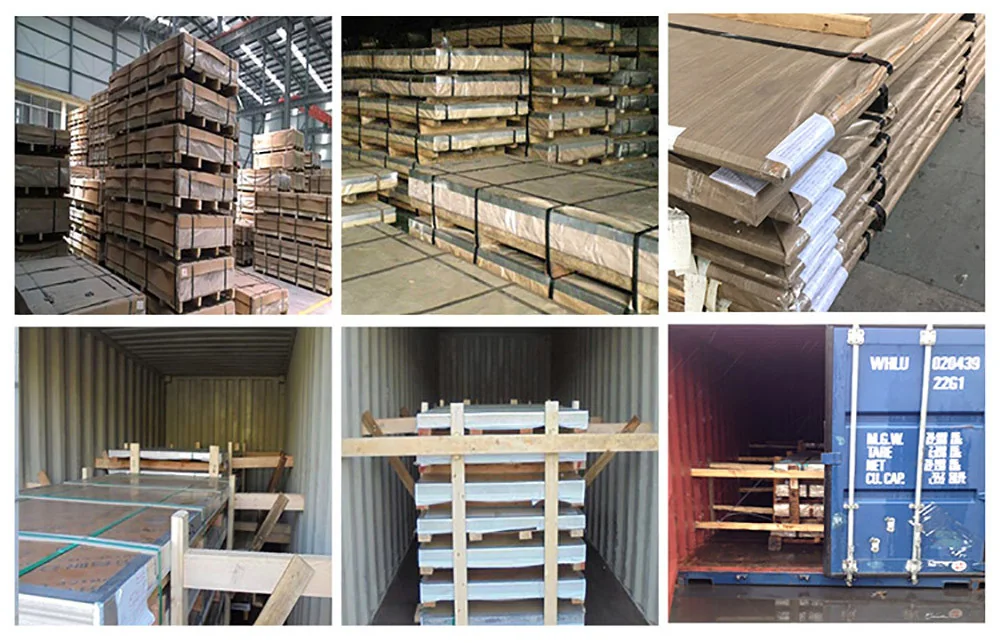
PACKING AND SHIPPING
APPLICATION

What Is 4045 Aluminum and Why Is It Used in Specialized Aluminum Sheet?
4045 aluminum is an aluminum-silicon alloy valued for its role in brazing applications. Unlike aluminum grades selected mainly for structural strength, 4045 is commonly used as a cladding or filler layer that melts during the brazing cycle and helps form reliable metal-to-metal joints.
Its silicon content gives the alloy a lower melting range than many aluminum core materials. This difference allows the 4045 layer to flow during controlled heating while the core retains its intended shape and supports the finished assembly. As a result, 4045 aluminum is particularly relevant to manufacturers working with heat exchangers, radiators, condensers, oil coolers, and other thermal management components.
When sourcing an Aluminum Sheet for these applications, buyers should distinguish between standalone 4045 material and 4045-clad composite sheet. In a clad product, the outer layer provides brazing material, while the core alloy contributes much of the finished component's strength and formability. The combination must be selected according to the intended manufacturing process.
Before ordering, confirm the alloy designation, core composition, cladding arrangement, thickness, and applicable material standard. These details help ensure the supplied sheet matches the production drawing and brazing requirements rather than relying on the alloy number alone.
How Does 4045 Aluminum Cladding Improve Brazing Performance?
The main value of 4045 aluminum cladding lies in how it behaves during brazing. When a suitable clad sheet is heated within the specified process window, the 4045 layer melts and flows into the joint area. As the assembly cools, the filler metal solidifies and helps connect the components without requiring conventional fusion welding at every joint.
This approach is useful for heat exchangers and other assemblies containing multiple channels, tubes, plates, or fins. A properly designed clad structure can support repeatable joining across complex geometries and help manufacturers produce compact components with effective heat transfer.
However, brazing performance depends on more than the choice of 4045 aluminum. The core alloy, cladding ratio, sheet thickness, surface cleanliness, joint clearance, furnace atmosphere, and heating cycle all influence the result. A cladding layer that is too thin may not provide sufficient filler metal, while an unsuitable process window can lead to incomplete joints or excessive erosion of the core.
For procurement teams, the practical question is whether the material fits the actual production process. Share your component design, required cladding configuration, and brazing method with the supplier before confirming an order. This makes it easier to assess whether the proposed 4045 aluminum sheet is suitable for your application and helps reduce avoidable production trials.
Which Applications Require 4045 Aluminum Brazing Sheet?
4045 aluminum is most relevant to applications in which controlled brazing is an essential part of component manufacturing. Its low-melting Al-Si cladding makes it useful for joining aluminum parts while preserving the supporting function of the selected core alloy.
Common applications include automotive radiators, charge-air coolers, condensers, evaporators, oil coolers, and industrial heat exchangers. Depending on the material construction and engineering requirements, 4045-clad sheet may also be considered for thermal management assemblies used in HVAC equipment and other cooling systems.
The required sheet structure varies by component. A heat exchanger may use a 3003 or another compatible core alloy with 4045 cladding on one or both sides. A different design may require another core alloy, a specific cladding ratio, or tighter dimensional tolerances to suit forming and automated brazing.
This is why application-based sourcing matters. Rather than choosing material solely by thickness or price, buyers should evaluate the complete combination of core alloy, cladding alloy, temper, flatness, and brazing conditions. The right specification can improve manufacturing consistency and reduce the risk of leakage or joining defects in finished assemblies.
If you are sourcing an Aluminum Sheet for a new design, provide the intended component, operating environment, and fabrication method. These details help the supplier recommend a configuration based on the actual engineering requirements.
How to Choose the Right Aluminum Sheet Thickness, Core Alloy and Cladding Ratio
Selecting an Aluminum Sheet for brazing requires more than matching a nominal thickness. The material must withstand forming before brazing, provide enough cladding material for joint formation, and retain the required performance after the thermal cycle.
Start with the core alloy. It should provide the strength, formability, and corrosion performance required by the finished component. Next, determine whether 4045 cladding is needed on one side or both sides. The appropriate cladding ratio depends on joint geometry, filler-metal demand, and the selected brazing process.
Thickness and dimensional tolerances are equally important. Thin sheets may be required for compact heat exchangers, while thicker stock may suit plates or other structural components. Width, flatness, and thickness consistency can also affect stamping, roll forming, stacking, and automated assembly.
Temper should be selected according to the forming operations performed before brazing. Material that is too hard for the intended forming sequence may crack or distort, while a softer temper may be more suitable for complex shapes. The exact requirements should be confirmed against the product standard and the supplier's technical data.
Before requesting a quotation, prepare a specification covering alloy combination, total thickness, cladding ratio, temper, dimensions, tolerances, and required inspection documents. A complete specification helps suppliers quote comparable products and reduces the risk of purchasing a sheet that cannot run reliably on your production line.
How to Find Cheap Aluminum Sheet Suppliers Without Compromising Quality
Finding Cheap Aluminum Sheet Suppliers is not simply a matter of comparing the lowest quoted price. For industrial buyers, the real purchasing cost includes material quality, processing yield, dimensional consistency, delivery reliability, inspection requirements, and the risk of production interruptions.
When comparing quotations for 4045 aluminum or other aluminum sheet products, make sure every supplier is pricing the same specification. Differences in alloy, temper, thickness tolerance, cladding ratio, surface condition, and packaging can make apparently similar offers difficult to compare. A lower price may reflect a different product configuration rather than a more efficient supply arrangement.
Order quantity and production planning can also affect the final price. Standard dimensions and available stock may offer better value than special sizes requiring additional processing. For recurring orders, consolidated purchasing and forecast-based production may help reduce logistics and procurement costs. However, buyers should verify minimum order quantities, lead times, and the availability of repeat batches before making a commitment.
Quality verification should remain part of the cost calculation. Request a material test certificate or mill test report where applicable, confirm traceability requirements, and establish acceptance criteria before shipment. For clad brazing sheet, ask specifically how the supplier verifies the core alloy, cladding structure, and dimensional tolerances.
A reliable purchasing decision balances price with specification compliance and supply stability. Comparing technically equivalent quotations is the most practical way to identify cost-effective suppliers without creating unnecessary quality risks.
What Should Buyers Check When Comparing CE-Certified Steel Sheet Suppliers?
Buyers searching for CE Certification Steel Sheet Suppliers are often trying to verify whether a material supplier can meet the documentation and regulatory requirements of a particular project. When sourcing aluminum sheet, however, it is important to distinguish steel products from aluminum products and confirm which requirements actually apply to the material and its intended use.
CE marking is not a universal certificate that every metal sheet must carry. Whether it is required depends on the product category, its intended application, and the relevant European Union legislation or harmonized standards. A supplier's general claim of CE compliance should therefore be checked against the specific product and supporting documentation.
For 4045 aluminum sheet, buyers should first confirm the applicable alloy and product specification, then request relevant material certificates, inspection records, and traceability documents. If the sheet is intended for a regulated end product or a construction-related application, ask the supplier or responsible conformity-assessment party to identify the applicable requirements rather than assuming that a steel-sheet certification applies to aluminum.
Supplier evaluation should also cover production capability, dimensional control, export experience, packaging, and delivery commitments. These factors are particularly important for custom specifications and repeat industrial orders.
The goal is to establish that the supplied aluminum material matches the purchase specification and that all required compliance documents are relevant to the actual product. Clear documentation at the quotation stage can prevent confusion during inspection, customs clearance, and downstream manufacturing.
4045 Aluminum FAQs
1. What Makes 4045 Aluminum Different from Other Aluminum Alloys?
4045 aluminum is an aluminum-silicon alloy with a composition that distinguishes it from common commercial aluminum grades. Its silicon content influences its melting behavior and makes the alloy relevant to certain specialized manufacturing processes. When evaluating 4045 aluminum, buyers should confirm the specified chemical composition, applicable material standard, dimensional tolerances, and intended use. These details are more reliable selection criteria than comparing alloy numbers alone.
2. What Thicknesses and Dimensions Are Available for 4045 Aluminum Sheet?
Available thicknesses, widths, and lengths depend on the manufacturer's production capabilities and current stock. Buyers should provide their required dimensions, order quantity, tolerance requirements, and any cutting or finishing needs when requesting a quotation. If a project requires non-standard dimensions, confirm whether the supplier can produce them directly or provide cut-to-size material. Always verify the actual specification with the manufacturer before placing an order.
3. How Can Buyers Select the Right 4045 Aluminum Sheet for Their Applications?
Start by identifying the operating conditions and manufacturing requirements of the finished component. Then confirm the required alloy composition, thickness, dimensions, mechanical properties, surface condition, and applicable material standard. If the sheet will undergo forming, machining, or heat treatment, check whether the proposed material is suitable for that process. A supplier should be able to provide technical documentation to help buyers confirm that the material meets the intended requirements.
4. What Determines the Price of 4045 Aluminum Sheet?
The price of 4045 aluminum sheet depends on factors such as raw material costs, thickness, dimensions, order quantity, production requirements, and packaging. Special tolerances or additional processing may increase the final quotation. Shipping terms and destination also affect the landed cost for international buyers. To compare offers accurately, request quotations based on the same alloy specification, dimensions, quantity, delivery terms, and inspection requirements rather than choosing solely by the lowest unit price.
5. What Documents Should Buyers Request When Purchasing 4045 Aluminum?
Buyers should confirm the applicable product standard and request supporting documents appropriate to the order. These may include a material test certificate, chemical composition report, dimensional inspection records, and batch traceability information. Additional documents may be necessary for specific industries or destination markets. If a supplier claims CE compliance, ask which legislation or harmonized standard applies to the actual product and its intended use. Documentation should be relevant to the material being supplied rather than a generic certificate unrelated to the order.


