


PRODUCT DETAILS
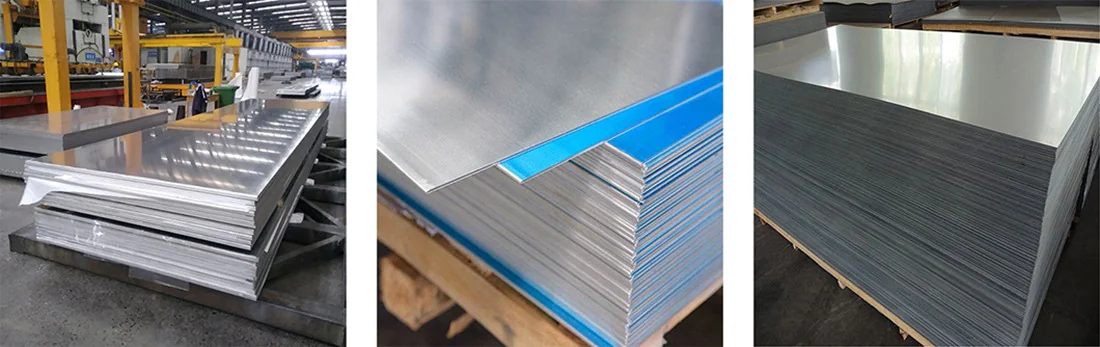
PRODUCT SHOW
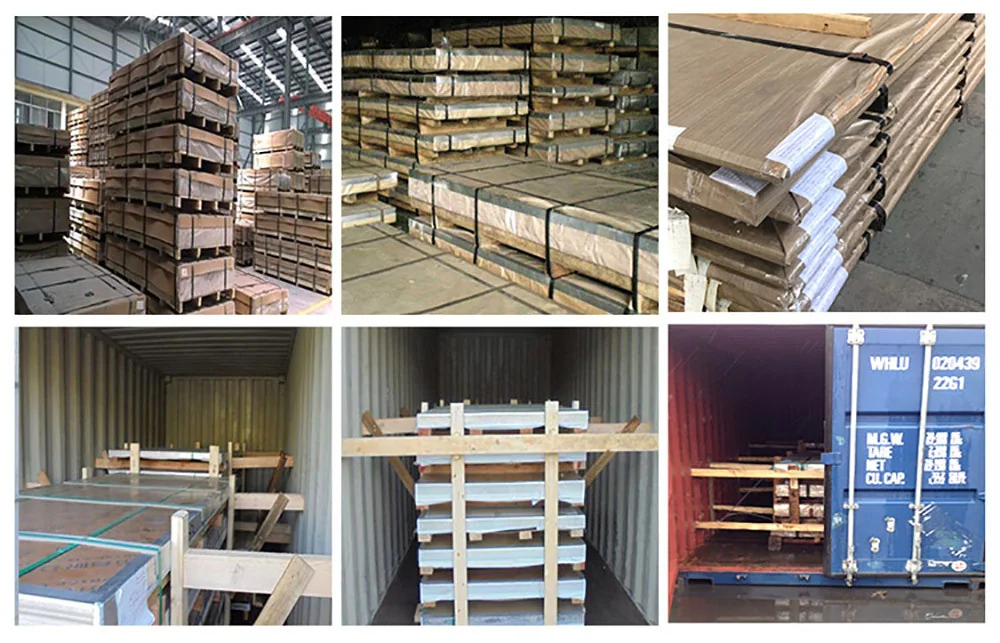
PACKING AND SHIPPING
APPLICATION

What Factors Affect the Price of 3003 Aluminum Sheet?
The price of 3003 aluminum sheet depends on more than the market price of aluminum. Buyers should consider alloy specifications, temper, dimensions, surface requirements, order quantity, and delivery terms when comparing quotations. Understanding these factors makes it easier to evaluate suppliers and calculate the actual cost of a project.
Material thickness and sheet dimensions directly affect the amount of aluminum used per piece. A thicker sheet or a larger format generally carries a higher unit price per sheet. However, the price per kilogram may vary according to processing requirements, production efficiency, and order volume.
Temper and mechanical requirements are also important. Different tempers, such as O, H14, and H24, offer different balances of softness, strength, and formability. Buyers should specify the temper that suits their fabrication process instead of choosing solely by price.
Surface finish, dimensional tolerances, cutting, protective film, and special packaging can add to the final quotation. Small orders may also have a higher unit cost because setup and handling expenses are spread across fewer sheets.
When requesting a 3003 aluminum sheet price, provide the required thickness, width, length, temper, quantity, applicable standard, and destination port. Ask whether the quotation includes packaging, inland transportation, and shipping. Comparing quotations on the same specifications and trade terms gives purchasing teams a more reliable basis for decision-making.
For manufacturers and distributors purchasing in bulk, a clearly defined specification can help reduce material waste, avoid unnecessary processing costs, and improve cost control throughout the supply chain.
How to Choose the Right 3003 Aluminum Sheet Thickness?
Choosing the right 3003 aluminum sheet thickness starts with the finished product rather than the material alone. Thickness affects stiffness, weight, bending behavior, forming performance, and material cost. Selecting an appropriate gauge helps manufacturers achieve the required performance without using more metal than necessary.
For lightweight covers, decorative components, and formed panels, thinner sheets may provide sufficient strength while keeping the finished product easy to handle. Medium-thickness sheets are often considered for enclosures, equipment panels, ducts, and general fabrication. Thicker material may be more suitable for components that require additional rigidity or must withstand greater handling loads. The correct range depends on the design, support structure, and manufacturing process.
Temper matters as much as thickness. Annealed 3003-O is generally more suitable for demanding forming operations, while work-hardened tempers such as H14 and H24 can offer greater strength for applications requiring a firmer sheet. The final choice should account for bend radius, forming depth, and the risk of surface damage or cracking.
Before ordering, confirm the nominal thickness, allowable tolerance, sheet width, length, and flatness requirements. These details are particularly important for automated cutting, stamping, and roll-forming lines, where dimensional consistency can influence production efficiency.
A practical approach is to evaluate the load requirements, forming complexity, and finished dimensions together. If the application involves deep drawing or tight bends, test samples may help validate the selected specification before mass production.
SMLS buyers can use these parameters to request a more accurate quotation and avoid over-specifying material. The objective is not simply to purchase a thicker sheet, but to find a specification that balances performance, fabrication needs, and total production cost.
Where Can You Buy 3003 Aluminum Sheet for Industrial Applications?
When searching for 3003 aluminum sheet for sale, industrial buyers should look beyond the initial quotation. A suitable supplier needs to provide the correct alloy, consistent dimensions, appropriate temper, and documentation that matches the requirements of the intended application.
Start by defining the product specification. Include the 3003 alloy grade, temper, thickness, width, length, quantity, surface condition, and required material standard. If the sheet will be used for stamping, bending, welding, or other fabrication processes, explain these requirements before placing an order. This allows the supplier to assess whether the proposed material is suitable for production.
Next, review the supplier's quality-control process. Depending on the project, useful documents may include a material test certificate, inspection records, and dimensional inspection results. Buyers should confirm the applicable standard and the required mechanical properties rather than assuming every product sold under the 3003 designation is identical.
Order quantity and delivery arrangements also deserve attention. Stock sheets may be appropriate for urgent or small-volume requirements, while made-to-order production may provide greater flexibility in dimensions, tolerances, and packaging. For international orders, confirm the minimum order quantity, production lead time, export packaging, shipping terms, and payment conditions.
For repeat purchasing, ask whether the supplier can maintain consistent specifications across batches. Reliable dimensional control and clear communication can reduce production interruptions and incoming inspection problems.
Before confirming a bulk order, compare quotations using the same technical requirements and delivery terms. This helps distinguish a genuinely competitive offer from one that excludes necessary processing, inspection, or logistics costs.
By preparing a complete inquiry, manufacturers, fabricators, and metal distributors can identify the right 3003 aluminum sheet for sale more efficiently and establish a clearer basis for long-term supply.
Why Is 3003 Aluminum Sheet Suitable for Forming and Corrosion-Resistant Components?
3003 aluminum sheet is a non-heat-treatable aluminum-manganese alloy valued for its combination of formability, atmospheric corrosion resistance, and moderate strength. These characteristics make it a practical choice for many formed metal components where ease of fabrication and service life matter more than very high structural strength.
Manganese contributes to the alloy's strength compared with commercially pure aluminum, while the material retains useful ductility for bending, drawing, and other cold-forming operations. The exact forming behavior depends on the temper, sheet thickness, tooling, and degree of deformation. For parts with tight bends or complex shapes, selecting the appropriate temper and checking the recommended bend radius can help reduce cracking and rework.
Corrosion resistance is another reason manufacturers specify 3003. It performs well in many atmospheric and general industrial environments, making it suitable for applications such as equipment housings, architectural components, ducts, storage equipment, and selected cookware or food-related equipment. However, compatibility should always be assessed against the actual chemicals, temperature, moisture, and cleaning conditions involved.
The alloy can also be welded using suitable procedures. Its suitability for a particular joining process depends on joint design, filler material, thickness, and service requirements. Where high strength, severe marine exposure, or demanding structural loads are involved, another alloy may be more appropriate.
For buyers, the main advantage of 3003 aluminum sheet is its balanced performance. Rather than paying for properties that an application does not require, manufacturers can select a workable alloy that supports efficient fabrication and dependable everyday service.
When evaluating the material, consider the complete production process: forming, joining, finishing, inspection, and the operating environment. This approach helps determine whether 3003 is the right specification for the finished component.
3003 Aluminum Sheet FAQs
FAQ 1. Is 3003 aluminum sheet suitable for deep drawing?
Yes, 3003 aluminum sheet can be suitable for deep drawing, particularly when supplied in an appropriate annealed temper such as O. Its ductility and formability make it useful for producing shaped components, housings, containers, and other formed metal parts.
However, successful deep drawing depends on more than the alloy designation. Sheet thickness, blank dimensions, punch and die design, lubrication, forming speed, and the required drawing depth all influence the outcome. For complex parts, buyers should confirm the material's elongation and forming requirements with the supplier and conduct a trial run when necessary.
FAQ 2. Can 3003 aluminum sheet be welded without compromising the finished part?
3003 aluminum sheet generally offers good weldability when suitable welding procedures and filler materials are selected. It can be used for fabricated assemblies, enclosures, ducts, and other components that require joined sheet metal.
The main consideration is the effect of welding on the finished component. Heat can change the local mechanical properties, while poor joint preparation or unsuitable welding parameters may cause distortion or surface defects. Buyers should specify the joining method, sheet thickness, and required joint performance before production. For pressure-containing or safety-critical equipment, the welding procedure and finished assembly should meet the applicable design and inspection requirements.
FAQ 3. Does 3003 aluminum sheet need a protective coating for outdoor use?
Not every outdoor application requires a protective coating. 3003 aluminum sheet has good resistance to atmospheric corrosion and can perform well in many outdoor environments. Whether additional protection is necessary depends on exposure conditions, appearance requirements, and the expected service life.
Coastal locations, industrial pollution, prolonged contact with dissimilar metals, and exposure to aggressive chemicals may require additional precautions. Painting or coating can improve appearance and provide an extra barrier, but surface preparation and coating compatibility are important. Buyers should evaluate the actual environment rather than assume that uncoated aluminum is suitable for every outdoor installation.
FAQ 4. What is the difference between 3003-O and 3003-H14 aluminum sheet?
The primary difference is the temper, which affects strength and forming behavior.
3003-O: Annealed material with a softer condition and generally higher ductility, making it suitable for demanding bending and forming operations.
3003-H14: Strain-hardened and partially annealed material that offers greater strength and hardness, with less formability than the O temper.
The best choice depends on the part's geometry and manufacturing process. For deep-drawn components, 3003-O may be preferable. For formed panels and parts that need greater rigidity while retaining useful workability, 3003-H14 may be appropriate. Always verify the required mechanical properties against the applicable product standard and supplier's test documentation.
FAQ 5. How can buyers verify the quality of a 3003 aluminum sheet shipment?
Buyers should check the alloy designation, temper, dimensions, surface condition, and applicable material standard against the purchase order. A material test certificate, where required, can help verify chemical composition and mechanical properties.
Incoming inspection should also cover thickness tolerance, width and length, flatness, and visible defects such as scratches, dents, corrosion marks, or edge damage. For precision fabrication, dimensional tolerances and surface requirements should be agreed upon before production. If the material will be used in a critical application, additional testing or third-party inspection may be appropriate.
A clear inspection checklist helps ensure that the delivered 3003 aluminum sheet meets the intended manufacturing requirements and reduces the risk of costly rework.


