


PRODUCT DETAILS
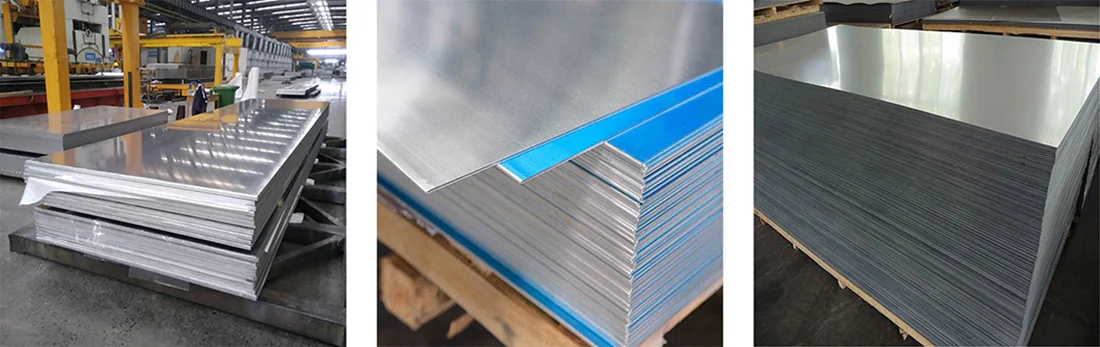
PRODUCT SHOW
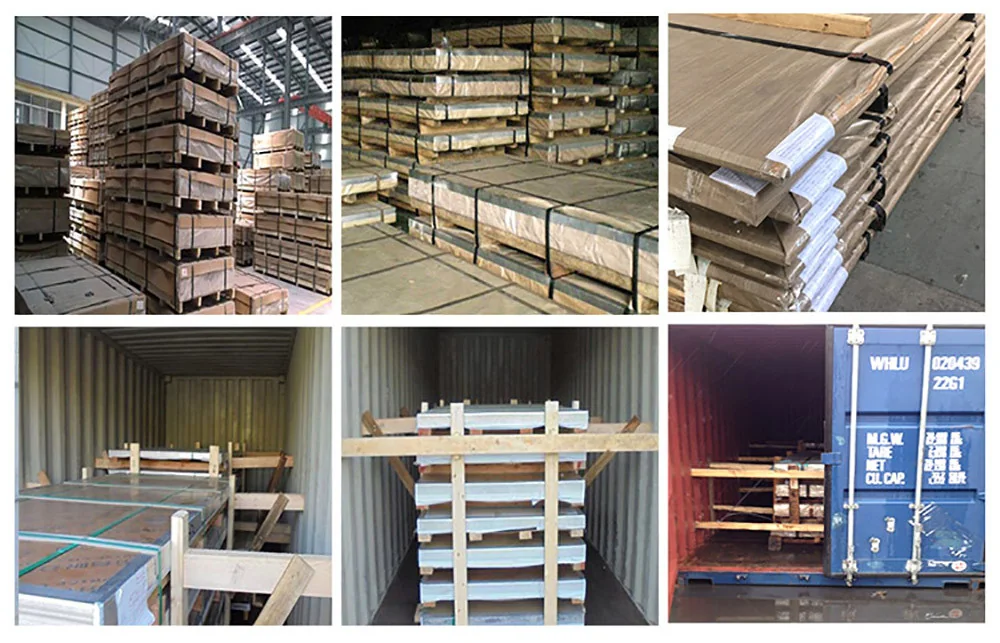
PACKING AND SHIPPING
APPLICATION

What Makes 1050 Aluminum Sheet Suitable for Electrical and Thermal Applications?
1050 aluminum sheet is a practical choice for applications that require efficient electrical conduction, heat transfer, and reliable corrosion resistance. As a commercially pure aluminum grade with a minimum aluminum content of 99.5%, it offers a combination of physical properties that makes it useful in electrical components, heat transfer equipment, lighting products, and general industrial fabrication.
One of its key characteristics is its high electrical conductivity compared with many stronger aluminum alloys. This makes 1050 aluminum suitable for selected conductive components where electrical performance and ease of forming are more important than high mechanical strength. Its thermal conductivity also supports applications involving heat dissipation and temperature distribution.
Another advantage is its natural resistance to atmospheric corrosion. The protective oxide layer helps maintain the material's surface under normal service conditions, reducing concerns about rust commonly associated with ordinary steel. Its good ductility also allows the sheet to be cut, bent, stamped, or formed into different component shapes when the appropriate temper is selected.
However, material selection should always consider the operating environment and load requirements. 1050 aluminum is not designed for applications that demand high structural strength. Buyers should confirm the required thickness, temper, electrical performance, and applicable material standard before placing an order.
Shaanxi Shunchengtian Material supplies metal materials for industrial buyers seeking solutions matched to their processing requirements. Contact our team to discuss the specifications needed for your application.
1050 Aluminum Plate vs. Sheet: Which Form Should You Choose?
Choosing between 1050 aluminum sheet and 1050 aluminum plate starts with understanding the dimensions, rigidity, and manufacturing requirements of the finished component. Both products use the same alloy designation, but the terms sheet and plate generally refer to different thickness ranges. The exact boundary depends on the applicable standard and industry convention.
A thinner 1050 aluminum sheet is often preferred for lightweight parts that require bending, stamping, spinning, or forming into curved profiles. Typical examples include lampshades, reflectors, covers, decorative panels, and formed industrial components. Its high ductility can help manufacturers produce intricate shapes without unnecessary material weight.
A thicker 1050 aluminum plate may be more appropriate when a component needs additional rigidity, a larger machining allowance, or a stable flat surface. Depending on the design, it can be used for equipment panels, industrial fixtures, fabricated parts, and other components where the material's strength limitations remain acceptable.
Selection factor | 1050 Aluminum Sheet | 1050 Aluminum Plate |
|---|---|---|
Typical priority | Lightweight forming | Greater thickness and rigidity |
Common processing | Bending, stamping, spinning | Cutting, drilling, machining |
Design consideration | Formability and surface quality | Thickness, flatness, and dimensional stability |
Main limitation | Lower rigidity in thin gauges | Still unsuitable for high-load structures without adequate design |
These distinctions are general guidelines rather than universal thickness definitions. Before ordering, buyers should specify the exact thickness, width, length, temper, and tolerance instead of relying on the product name alone.
Shaanxi Shunchengtian Material can help buyers evaluate the appropriate product form based on the intended application and fabrication process.
Which Temper of 1050 Aluminium Sheet Is Best for Bending and Forming?
The temper of 1050 aluminium sheet has a direct effect on how the material behaves during fabrication. Although the alloy composition remains essentially the same, its mechanical properties can change considerably with annealing and cold working. Selecting the right temper helps manufacturers balance formability, surface quality, and the strength required for the finished part.
For applications involving deep drawing, complex bending, or spinning, the O temper is often a useful starting point. In this fully annealed condition, 1050 aluminium sheet offers high ductility and is generally easier to form into curved or irregular shapes. It is commonly considered for lampshades, reflectors, cookware components, and other products requiring substantial deformation.
H14 temper is a practical option when the finished component needs more hardness and strength than a fully annealed sheet can provide. It is strain-hardened to a half-hard condition and may suit flat panels, formed covers, signage, and components requiring moderate rigidity. Other tempers, such as H12, H16, and H18, provide different levels of work hardening and should be selected according to the design requirements.
The best temper also depends on bend radius, sheet thickness, grain direction, and the complexity of the forming operation. A temper that works well for a simple bend may not be appropriate for a tight-radius bend or a deep-drawn part.
Before production, buyers should confirm the alloy designation, temper, thickness tolerance, and forming requirements with their material supplier. Where forming performance is critical, a sample trial can help verify suitability before a full production run.
Is 1050 Aluminum Sheet Suitable for Reflectors, Lighting, and Heat Transfer?
1050 aluminum sheet is widely considered for products that benefit from a lightweight material, good formability, and efficient heat transfer. Its suitability for reflectors, lighting components, and thermal applications depends on the required surface finish, component geometry, and service conditions.
In lighting equipment, 1050 aluminum can be formed into lampshades, reflector bodies, and internal covers. Aluminum surfaces can reflect visible light, but actual optical performance depends on surface roughness, cleanliness, coating, and finishing quality. Applications requiring high reflectivity should therefore specify the appropriate surface treatment rather than assuming that every mill-finish sheet will provide mirror-like performance.
For thermal applications, 1050 aluminum offers good thermal conductivity. It can be used in selected heat-transfer components, covers, and fabricated parts where efficient heat distribution is beneficial. The final design must still account for sheet thickness, contact resistance, operating temperature, and the thermal requirements of the complete assembly.
The alloy's formability also makes it useful for producing shaped components with relatively simple tooling. Manufacturers can evaluate stamping, bending, spinning, and other forming methods according to the component design and selected temper.
However, 1050 aluminum is not automatically the best choice for every reflector or heat exchanger. Some applications require a specific optical finish, greater mechanical strength, improved resistance to particular chemicals, or specialized joining performance. In those cases, alternative alloys or surface treatments may be more suitable.
Shaanxi Shunchengtian Material can assist buyers in reviewing the intended use, material condition, and dimensional requirements when evaluating 1050 aluminum sheet for industrial applications.
What Thickness and Surface Finish Should You Specify for 1050 Aluminum Sheet?
Selecting the correct thickness and surface finish is essential when purchasing 1050 aluminum sheet for industrial production. These specifications affect forming behavior, finished-part rigidity, appearance, processing efficiency, and material cost. Rather than selecting a gauge based only on price, buyers should work backward from the requirements of the finished component.
For thin formed products, a lighter gauge may reduce material consumption and make bending or spinning easier. However, very thin sheet can be more susceptible to dents, handling damage, and distortion. Thicker material provides greater rigidity but may require higher forming forces and different tooling. The appropriate thickness therefore depends on the component's shape, dimensions, expected loads, and manufacturing process.
Surface finish is equally important. Mill finish is suitable for many general industrial applications where the material will undergo further fabrication. Bright or polished surfaces may be preferred for visible components, decorative parts, and reflectors. If the product will be painted, coated, bonded, or otherwise finished, buyers should confirm that the supplied surface condition is compatible with the downstream process.
A clear purchase specification should include:
Alloy grade: 1050 aluminum.
Temper: O, H12, H14, or another agreed condition.
Thickness, width, and length, with dimensional tolerances.
Surface finish and acceptable cosmetic defects.
Applicable material standard and inspection documentation.
Required quantity, packaging, and delivery destination.
These details help suppliers assess feasibility and reduce misunderstandings during production. For repeat orders, maintaining an approved specification and reference sample can also improve consistency between batches.
Shaanxi Shunchengtian Material welcomes inquiries from buyers who need 1050 aluminum sheet tailored to specific fabrication and quality requirements.
What Should Buyers Check Before Ordering 1050 Aluminum Plate?
When sourcing 1050 aluminum plate for manufacturing, the lowest quoted price does not always represent the best overall value. Buyers should evaluate material conformity, dimensional accuracy, surface condition, documentation, and the supplier's ability to meet the requirements of the intended application.
Start by confirming the alloy designation and applicable standard. A material certificate or mill test report, where available and agreed upon, can help verify chemical composition and mechanical properties. This is especially important when the material will be used in a controlled manufacturing process or supplied to a customer with defined inspection requirements.
Next, review the dimensions. Thickness, width, length, flatness, and dimensional tolerances should be clearly stated in the purchase order. If the plate will be cut or machined into finished components, dimensional consistency can affect yield, processing time, and material waste.
Surface quality should also match the final use. For visible parts, scratches, dents, stains, and other surface imperfections may affect acceptance. For parts that will undergo additional processing, the buyer should specify the surface condition needed for the next manufacturing stage.
Finally, discuss packaging and shipment before confirming the order. Aluminum products should be protected against moisture, abrasion, and handling damage during storage and transportation. Export orders may require additional packaging, labeling, and documentation based on the destination market.
Shaanxi Shunchengtian Material serves industrial buyers sourcing metal products for different manufacturing needs. When requesting a quotation, provide the alloy, temper, dimensions, quantity, required standard, and destination. This allows the sales team to assess the order more accurately and propose a suitable supply solution.
1050 Aluminum Sheet FAQs
FAQ 1: What Is the Aluminum Content of 1050 Aluminum Sheet?
1050 aluminum sheet is a commercially pure aluminum grade with a minimum aluminum content of 99.5%, subject to the applicable material standard. Its relatively high purity supports good electrical and thermal conductivity, corrosion resistance, and ductility. Buyers should check the chemical composition requirements in the relevant standard and review the material certificate when composition verification is necessary.
FAQ 2: Can 1050 Aluminum Sheet Be Used for Electrical Conductors?
Yes. 1050 aluminum sheet can be used for selected electrical components where conductivity, low weight, and formability are important. However, its suitability depends on the required electrical resistance, current-carrying capacity, operating temperature, connection design, and applicable electrical standards. Buyers should confirm the required conductivity and mechanical properties rather than choosing the material based on alloy designation alone.
FAQ 3: Why Can 1050 Aluminum Sheet Deform During Cutting or Forming?
Deformation may occur because of the sheet's thickness, temper, residual stress, cutting method, tooling condition, or forming geometry. Thin material is particularly sensitive to handling and clamping. Choosing a suitable temper, supporting the sheet properly, and optimizing cutting and forming parameters can help reduce distortion. For precision components, a sample trial is recommended before mass production.
FAQ 4: Is 1050 Aluminum Plate Strong Enough for Structural Components?
1050 aluminum plate offers good corrosion resistance and workability, but its strength is relatively low compared with many structural aluminum alloys. It may be suitable for non-load-bearing panels, covers, and fabricated parts, depending on the design. For components exposed to significant loads, vibration, or impact, engineers should evaluate the required mechanical properties and consider a higher-strength alloy when necessary.
FAQ 5: How Can Buyers Verify the Quality of 1050 Aluminum Sheet Before Shipment?
Buyers should confirm the alloy grade, temper, dimensions, tolerances, surface condition, and applicable standard in the purchase specification. Where required, they can request a material test certificate, chemical composition results, mechanical test data, and dimensional inspection records. Packaging should also be checked against the transportation and storage conditions to reduce the risk of scratches, moisture exposure, and handling damage.
FAQ 6: What Information Is Needed to Get a Quote for 1050 Aluminum Sheet?
To obtain an accurate quotation, provide the required thickness, width, length, temper, surface finish, order quantity, material standard, and destination. Include drawings or processing requirements if the sheet will be used for precision forming or fabrication. Shaanxi Shunchengtian Material can then review the specification and discuss product availability, applicable documentation, packaging, and delivery arrangements.


