


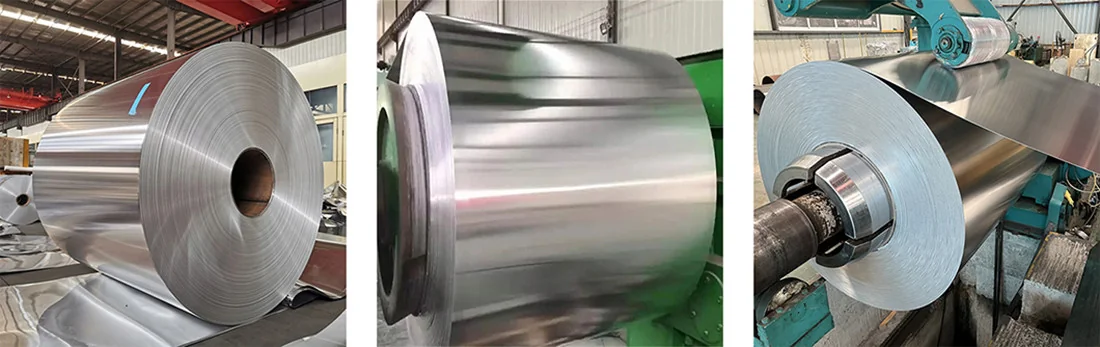
SCT supplies 1050 aluminum coil for electrical components, industrial equipment, insulation jacketing, lighting reflectors, and general metal fabrication. With a minimum aluminum content of 99.5%, 1050 aluminum offers good electrical conductivity, thermal conductivity, corrosion resistance, and excellent formability.
Our aluminum material range includes 1050, 1060, 1100, 3003, 5052, and other aluminum grades. General aluminum coil supply specifications cover thicknesses of 0.3–14 mm, widths of 50–2,000 mm, and coil weights of approximately 2–6 tons, subject to specific grade and temper availability.
Shaanxi Shunchengtian Materials Co., Ltd. (SCT) operates a 40,000-square-meter facility and has more than 20 years of export experience. With ISO 9001 certification, an established quality management system, and third-party inspection support, we help overseas buyers source aluminum materials for different industrial requirements. Contact us to discuss your 1050 aluminum coil specifications and request a quotation.
PRODUCT DETAILS
PRODUCT SHOW
PACKING AND SHIPPING
APPLICATION
What Makes 1050 Aluminum Coil a Preferred Choice for Industrial Applications?
1050 aluminum coil is a commercially pure aluminum product with a minimum aluminum content of 99.5%. As a member of the 1000 series, it is valued for its high electrical conductivity, good thermal conductivity, excellent corrosion resistance, and outstanding formability.
One of its key advantages is its ability to support different fabrication processes. Manufacturers can use 1050 aluminum coil for bending, stamping, drawing, slitting, and other forming operations. Its high purity also makes it suitable for applications where electrical or thermal performance is more important than high mechanical strength.
Another benefit is its relatively low material density, which helps manufacturers reduce product weight. Combined with its natural corrosion resistance, 1050 aluminum provides a practical material option for electrical components, industrial equipment, reflective products, and general sheet metal fabrication.
However, buyers should understand that high purity does not mean high structural strength. Compared with alloyed aluminum grades such as 3003 and 5052, 1050 has lower mechanical strength. The correct choice depends on the required conductivity, forming performance, and load conditions.
SCT supplies several aluminum grades, including 1050, 1060, 1100, and 3003. This broader product selection allows buyers to compare different material properties and discuss suitable alternatives according to their production requirements.
Where Is 1050 Aluminum Coil Commonly Used?
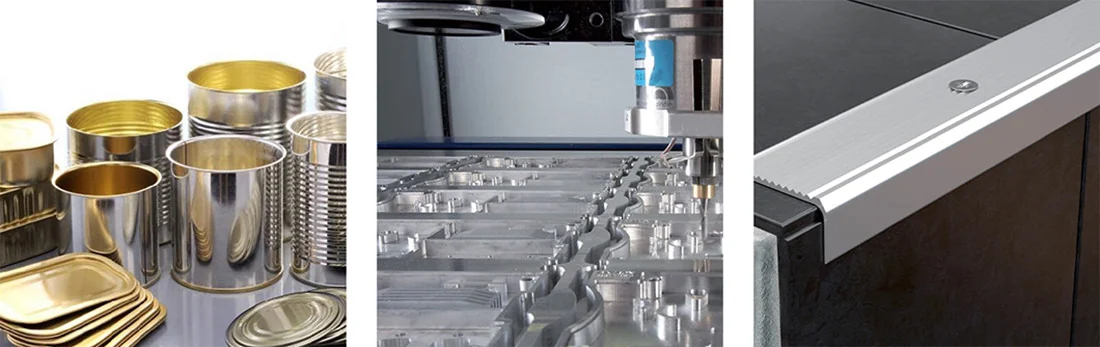
1050 aluminum coil is widely used in industries that require good electrical conductivity, thermal performance, corrosion resistance, and easy processing. Its high aluminum content makes it particularly suitable for applications where material purity and workability are important.
Common industrial applications include:
Industry / Application | Advantages of 1050 Aluminum Coil |
|---|---|
Electrical Components | High electrical conductivity for suitable conductive parts |
Transformer and Electrical Equipment | Suitable for selected electrical components and applications |
Heat Transfer Equipment | Good thermal conductivity for heat dissipation and transfer |
Lighting Reflectors | Suitable for reflective surfaces and formed components |
Insulation Jacketing | Lightweight and easy to form around insulation systems |
Chemical Equipment | Good corrosion resistance in suitable environments |
Building Decoration | Easy to process into decorative and architectural components |
General Metal Fabrication | Suitable for bending, stamping, and sheet metal forming |
For electrical applications, buyers should pay close attention to conductivity requirements and material specifications. For reflective products, surface quality and finishing requirements may be more important. For insulation jacketing and building components, thickness, temper, and forming performance should be evaluated together.
This is why selecting 1050 aluminum coil based only on its alloy number is not enough. The final product design and manufacturing process should guide the purchasing decision.
SCT offers multiple aluminum grades and metal material categories for industrial buyers. By providing your intended application, required thickness, width, and temper, you can discuss suitable material options before placing a bulk order.
1050 Aluminum Coil Specifications, Tempers and Material Standards
When purchasing 1050 aluminum coil, buyers should evaluate more than the alloy grade. Thickness, width, temper, coil weight, inner diameter, and material standards all affect whether the product can fit existing manufacturing equipment.
1050 aluminum contains at least 99.5% aluminum. It is available in different tempers, with each condition offering different levels of strength, hardness, and ductility.
Parameter | Common Specifications / Options |
|---|---|
Alloy | 1050 |
Aluminum Content | 99.5% minimum |
Common Tempers | O, H12, H14, H16, H18, H24 |
Thickness | Depends on supplier and application |
Width | Depends on processing and order requirements |
Coil Weight | Confirmed according to order requirements |
Standards | ASTM B209, EN 485, GB/T 3880, as agreed |
How to Choose the Right Temper?
1050-O: Fully annealed, soft, and highly ductile. Suitable for deep drawing and complex forming.
1050-H12: A relatively soft strain-hardened condition for applications requiring moderate strength.
1050-H14: A half-hard condition that offers a balance of strength and formability.
1050-H16: Provides greater strength and hardness than H14.
1050-H18: Full-hard condition for products requiring higher rigidity.
1050-H24: Strain-hardened and partially annealed, offering a different balance of strength and ductility.
SCT's published general aluminum coil supply range covers thicknesses of 0.3–14 mm, widths of 50–2,000 mm, and coil weights of approximately 2–6 tons. However, these are general product ranges rather than guaranteed specifications for every 1050 temper.
For accurate purchasing, buyers should provide the required dimensions, temper, applicable standard, and inspection requirements. Confirming these details before production helps reduce dimensional mismatches, material waste, and unnecessary adjustments.
1050 Aluminum Coil vs. 1060 and 1100: Which Grade Should You Choose?
1050, 1060, and 1100 aluminum coils all belong to the commercially pure aluminum family. They share good corrosion resistance and formability, but their aluminum content and application requirements are slightly different.
Comparison | 1050 Aluminum | ||
|---|---|---|---|
Alloy Series | 1000 | 1000 | 1000 |
Minimum Aluminum Content | 99.5% | 99.6% | 99.0% |
Electrical Conductivity | High | Generally slightly higher | High |
Thermal Conductivity | High | High | High |
Corrosion Resistance | Good | Good | Good |
Formability | Excellent | Excellent | Excellent |
Typical Applications | Electrical components, reflectors, insulation jacketing | Electrical applications, heat transfer components, general fabrication | Cookware, chemical equipment, reflectors, general fabrication |
When Should You Choose 1050 Aluminum Coil?
1050 is a practical option when you need high aluminum purity, good conductivity, and reliable formability for general industrial applications.
When Should You Choose 1060 Aluminum Coil?
1060 may be more suitable when a slightly higher minimum aluminum content and related conductivity requirements are important.
When Should You Choose 1100 Aluminum Coil?
1100 is worth considering for applications that require good workability, corrosion resistance, and a balance of commercial purity and fabrication performance.
The actual performance differences also depend on temper, thickness, and product standards. Buyers should compare the required chemical composition and mechanical properties instead of selecting materials based on purity alone.
SCT supplies 1050, 1060, and 1100 aluminum products, giving customers more flexibility when evaluating different material grades. Our team can discuss the intended application and help identify a suitable product specification before quotation.
What Determines the Price of 1050 Aluminum Coil?
The price of 1050 aluminum coil is influenced by several factors, including raw aluminum prices, product dimensions, temper, surface requirements, order quantity, and delivery arrangements. For industrial buyers and wholesalers, understanding these factors helps create a more realistic purchasing budget.
1. Raw Material Market Prices
Aluminum is a commodity metal, so market fluctuations can affect the quotation. Buyers should confirm the quotation validity period and whether the price is based on a specific delivery schedule.
2. Thickness and Width
Different dimensions may require different rolling and processing arrangements. Non-standard sizes can involve additional production or processing costs.
3. Temper Requirements
O, H14, and H18 tempers require different processing conditions. The required hardness and mechanical properties can influence the overall production cost.
4. Surface Finish and Packaging
Mill finish is a common option. Additional requirements such as protective film, special surface treatment, paper interleaving, or export packaging may increase the final cost.
5. Order Quantity
Larger orders may provide opportunities for better unit pricing by improving production and logistics efficiency. However, the actual price advantage depends on the specification and order arrangement.
To receive an accurate quotation, buyers should provide the alloy, temper, thickness, width, coil weight, order quantity, and destination port.
SCT supplies multiple aluminum grades and other metal materials, helping customers coordinate different sourcing requirements through one supplier. By confirming product specifications and purchasing quantities in advance, buyers can receive a more relevant quotation and avoid unexpected costs.
How to Evaluate a Reliable 1050 Aluminum Coil Factory?
Choosing a reliable 1050 aluminum coil factory is an important part of controlling material quality, purchasing costs, and delivery risks. For overseas importers and distributors, the supplier's production resources, quality management, customization capabilities, and export experience should all be considered.
Check Factory and Production Capabilities
Start by reviewing the supplier's production facilities, equipment, processing resources, and manufacturing experience. A supplier with established production resources and clear product information is better positioned to explain available specifications and purchasing arrangements.
Review Quality Management and Certifications
Ask whether the supplier has an established quality management system and relevant certifications. ISO 9001 certification, material inspection records, and third-party inspection arrangements can provide additional assurance during supplier evaluation.
Confirm Material Specifications and Documentation
A professional supplier should be able to discuss aluminum purity, temper, thickness, width, and applicable standards. For larger orders, buyers can request material test certificates and agree on inspection requirements before shipment.
Evaluate Bulk Supply and Export Experience
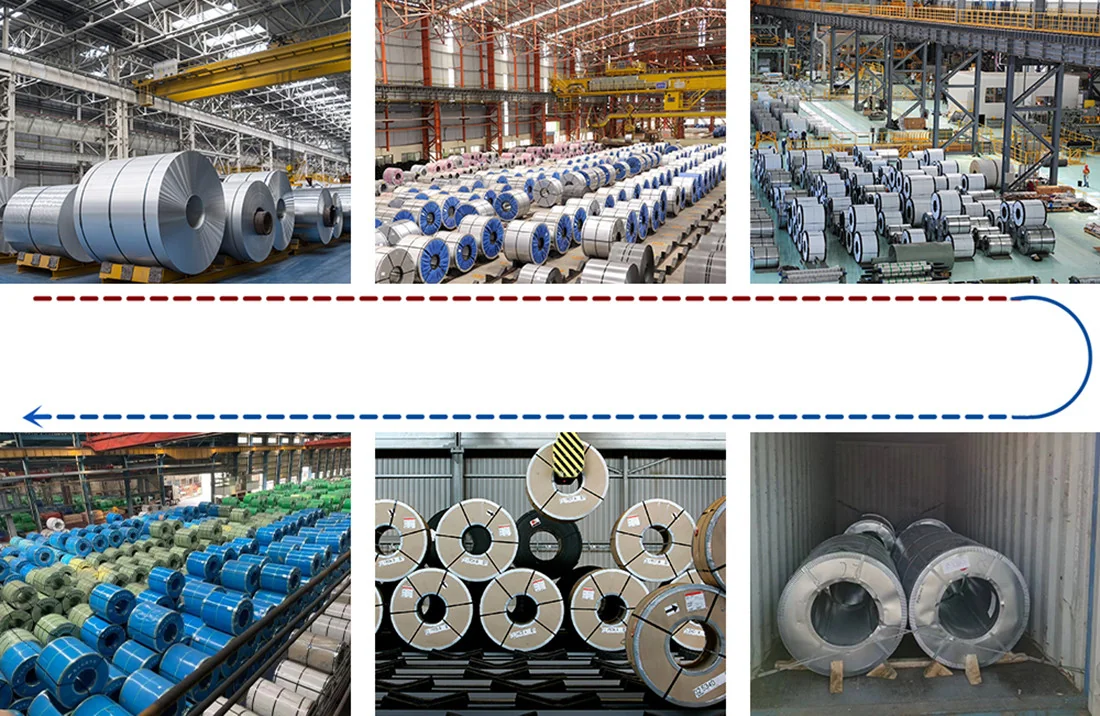
Stable supply arrangements are important for wholesalers and manufacturers with recurring purchasing needs. Buyers should also review packaging, shipping arrangements, delivery schedules, and communication efficiency.
Shaanxi Shunchengtian Materials Co., Ltd. (SCT) is an integrated industrial and trading enterprise specializing in stainless steel, carbon steel, aluminum, and related metal products. The company operates a 40,000-square-meter facility and reports a total monthly production output of 30,000 tons across its product categories.
With more than 20 years of export experience, SCT serves overseas markets across Europe, Southeast Asia, Africa, and the Americas. The company has passed ISO 9001, BV, SGS, and CE-related certifications as stated in its corporate information.
For buyers sourcing 1050 aluminum coil, SCT can discuss product specifications, material requirements, quality documentation, and third-party inspection arrangements. These details help customers evaluate supply suitability before confirming an order.
Why Choose SCT for 1050 Aluminum Coil Supply?
For international buyers, choosing a 1050 aluminum coil supplier is not only about finding a competitive price. Product availability, quality management, purchasing flexibility, and export support all influence the long-term value of a supply partnership.
Shaanxi Shunchengtian Materials Co., Ltd. (SCT) provides a broad range of metal materials, including aluminum, stainless steel, carbon steel, galvanized steel, copper, and titanium products. This integrated supply model allows overseas customers to coordinate multiple material purchasing requirements through one business partner.
Broad Aluminum Product Selection
SCT supplies multiple aluminum grades, including 1050, 1060, 1100, 3003, and 5052. Buyers can compare different alloy options and discuss suitable materials according to their applications.
Established Production and Supply Resources
SCT operates a 40,000-square-meter facility and reports a total monthly production output of 30,000 tons across its product categories. This production scale supports its broader metal material supply operations.
Quality Management and Inspection Support
The company has passed ISO 9001, BV, SGS, and CE-related certifications. It also accepts third-party inspection arrangements, allowing buyers to define inspection requirements before shipment.
International Export and Logistics Experience
With more than 20 years of export experience, SCT serves customers in multiple international markets. Its logistics arrangements include shipments from major Chinese ports such as Qingdao, Tianjin, and Shanghai.
Whether you are an importer, wholesaler, distributor, or industrial manufacturer, SCT can discuss your 1050 aluminum coil requirements and provide relevant product and supply information.
Contact SCT today to discuss your 1050 aluminum coil purchasing requirements. Send us your required alloy, temper, thickness, width, order quantity, and destination port to request a quotation.
1050 Aluminum Coil FAQs
FAQ 1. What Is the Aluminum Content of 1050 Aluminum Coil?
1050 aluminum coil contains a minimum aluminum content of 99.5%, making it a commercially pure aluminum alloy. It offers good electrical conductivity, thermal conductivity, corrosion resistance, and formability. These properties make it suitable for electrical components, reflectors, insulation jacketing, and general industrial fabrication.
FAQ 2. What Is the Difference Between 1050 and 1060 Aluminum Coil?
1050 aluminum coil contains at least 99.5% aluminum, while 1060 contains at least 99.6%. Both belong to the 1000 series and offer good conductivity, corrosion resistance, and formability. 1060 may be preferred when slightly higher purity is required, while 1050 is a practical choice for many general industrial applications.
FAQ 3. Is 1050 Aluminum Coil Suitable for Electrical Applications?
Yes. 1050 aluminum coil has good electrical conductivity and is used in selected electrical components and industrial applications. However, the required conductivity, temper, thickness, and applicable electrical standards should be confirmed before purchasing.
FAQ 4. What Is the Difference Between 1050-O and 1050-H14 Aluminum Coil?
1050-O is fully annealed and has excellent ductility, making it suitable for deep drawing and complex forming. 1050-H14 is a half-hard condition with greater strength and hardness while retaining useful formability. The right temper depends on the forming process and final product requirements.
FAQ 5. Can 1050 Aluminum Coil Be Used for Anodizing?
Yes. 1050 aluminum can be anodized to improve its surface protection and appearance. Its high aluminum content makes it suitable for certain anodizing applications. However, the final color and surface uniformity can depend on material composition, surface preparation, and anodizing conditions. Buyers should confirm the required finish with the supplier.
FAQ 6. What Quality Documents Should I Request When Buying 1050 Aluminum Coil?
Buyers can request a Material Test Certificate (MTC) or relevant material inspection report showing chemical composition and mechanical properties. Depending on the project, additional documents may include dimensional inspection records, applicable standards, quality certificates, and third-party inspection reports. Document requirements should be agreed upon before shipment.
FAQ 7. What Information Should I Provide to a 1050 Aluminum Coil Factory for a Quotation?
To receive an accurate quotation, provide the following information:
Alloy: 1050
Temper: O, H12, H14, H16, H18, or H24
Thickness and width
Coil inner diameter and weight
Surface finish requirements
Applicable material standards
Order quantity
Destination port
SCT can review these requirements and discuss suitable product specifications, inspection arrangements, and delivery options.


