


PRODUCT DETAILS
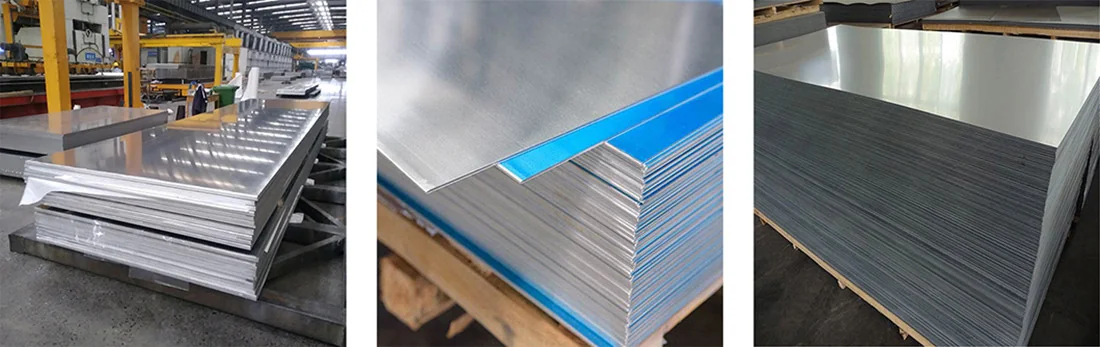
PRODUCT SHOW
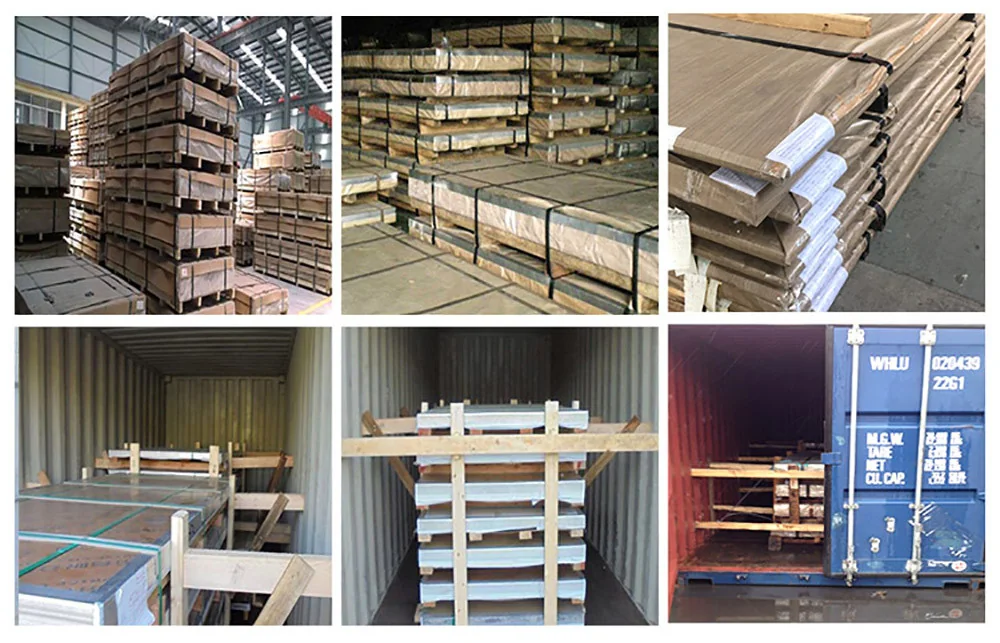
PACKING AND SHIPPING
APPLICATION

What Makes 2000 Series Aluminium a High-Strength Alloy?
2000 series aluminium is designed for applications where strength, fatigue resistance, and reliable structural performance are more important than maximum corrosion resistance. Copper is the main alloying element in this series, while other elements such as magnesium and manganese may be added to achieve specific mechanical properties.
Unlike commercially pure aluminum, many 2000 series alloys can be strengthened through heat treatment and controlled aging. This allows engineers to select suitable tempers for components exposed to repeated loading, mechanical stress, or demanding service conditions. The combination of low weight and high strength makes this alloy family particularly valuable in aerospace engineering, precision machinery, and transportation equipment.
The performance of 2000 aluminum depends on the specific alloy grade, temper, thickness, and manufacturing process. For example, 2024 is widely associated with fatigue-sensitive structural applications, while 2014 is often selected for components requiring strength and machinability.
When choosing 2000 series aluminium sheet or plate, buyers should evaluate tensile strength, yield strength, elongation, fatigue requirements, and corrosion protection together. Selecting the right grade and temper helps achieve the required performance without adding unnecessary weight to the finished product.
2024 vs. 2014 vs. 2017 Aluminum: Which Grade Should You Choose?
Choosing the right alloy is an important step when sourcing aluminium 2000 series materials. Although these alloys share copper as a major alloying element, their strength, machinability, fatigue behavior, and preferred applications are not identical.
| Alloy grade | Key characteristics | Typical applications |
|---|---|---|
| 2024 | High strength and good fatigue performance | Aircraft structures, structural fittings, precision components |
| 2014 | High strength and good machining characteristics | Machined parts, heavy-duty components, engineering structures |
| 2017 | A traditional high-strength alloy with good machining potential | Rivets, fasteners, and mechanical components |
The table provides a general selection guide. Actual performance depends on the specified temper, product form, and applicable material standard.
For aerospace-related projects, 2024 may be a suitable starting point when fatigue performance is a priority. For components produced through extensive machining, 2014 may be worth evaluating. Grade selection should also account for stock availability, dimensional requirements, processing methods, and the intended service environment.
Before placing an order, confirm the exact alloy designation, temper, thickness, and required certification with your supplier. Comparing these details helps prevent material substitutions that may affect component performance or production efficiency.
How Does Heat Treatment Improve 2000 Series Aluminum Properties?
Heat treatment plays a major role in the performance of many 2000 series aluminum alloys. Through solution heat treatment and subsequent aging, manufacturers can develop higher strength and hardness than would be available in the untreated condition.
Different tempers are designed for different manufacturing and service requirements. T3 and T4 conditions are commonly associated with solution heat treatment followed by cold working or natural aging, depending on the alloy and temper definition. T6 conditions generally involve solution heat treatment and artificial aging, while T351 and T651 conditions incorporate stress-relief stretching for applicable products.
For buyers, temper selection should be based on the component's complete production route. A material that offers high strength in its final condition may be less suitable for extensive forming before machining or assembly. Engineers should consider whether the sheet or plate will undergo cutting, milling, drilling, bending, or other operations before reaching its final shape.
When purchasing 2000 aluminum, specify the required temper alongside the alloy grade. Also request mechanical test data when strength or dimensional stability is critical. Correctly matching heat treatment to the manufacturing process can help reduce distortion, improve machining consistency, and deliver more predictable results in demanding applications.
Where Is 2000 Series Aluminium Sheet and Plate Used?
2000 series aluminium sheet and plate are commonly selected for engineered components that need a favorable balance of strength, weight, and fatigue performance. Their use extends beyond aircraft structures to various precision-manufacturing and transportation applications.
In aerospace engineering, suitable grades such as 2024 are used for structural skins, fittings, and other components where repeated loading and weight reduction matter. In mechanical engineering, selected 2000 series alloys can be machined into brackets, housings, fixtures, and complex components with tight dimensional requirements. Certain grades are also used in automotive, motorsport, and specialized industrial equipment.
The choice between sheet and plate depends on the component design and the amount of material that must be removed during fabrication. Sheet products may suit relatively thin panels and formed components, while thicker plate can provide the stock needed for substantial machining and structural parts.
However, 2000 series alloys generally have lower corrosion resistance than many 5000 series alloys. Some applications may require protective coatings, suitable cladding, or another approved surface treatment. Welding suitability also varies by grade and must be checked against the intended joining method.
For reliable material selection, evaluate load conditions, operating environment, fabrication requirements, and applicable industry standards before specifying the product.
Can 2000 Series Aluminum Be Machined, Formed, and Welded?
2000 series aluminum is often selected for precision machining because many grades offer favorable cutting characteristics and can maintain useful mechanical strength after the correct heat treatment. It is suitable for producing components with detailed geometries, drilled features, milled surfaces, and close dimensional tolerances.
Machining performance depends on the alloy, temper, cutting parameters, tooling, and workpiece dimensions. For thick plate or parts requiring extensive material removal, residual stress and distortion should be considered during process planning. Choosing an appropriate stress-relieved temper, where available, can help improve dimensional stability.
Forming behavior also varies. Some tempers offer better formability than high-strength aged conditions, so the material should be selected according to whether forming occurs before or after heat treatment. Trial forming and consultation with the material supplier may be necessary for complex shapes.
Welding requires particular attention. Many common 2000 series alloys are difficult to fusion weld because of hot cracking risks and changes in the properties of the heat-affected zone. Certain grades, such as 2219, have better-established welding applications, but suitability must still be confirmed for the specific design and procedure.
When evaluating 2000 series aluminium for production, consider the complete fabrication route rather than strength alone. Matching the alloy and temper to machining, forming, and joining requirements can reduce rework and support more consistent component quality.
How to Select 2000 Series Aluminium Plate for Industrial Projects
Selecting the right 2000 series aluminium plate involves more than choosing a high-strength alloy. Buyers need to match the material specification to the component's mechanical requirements, manufacturing process, and operating environment.
Start with the alloy grade. Grades such as 2024, 2014, and 2219 serve different engineering needs, so they should not be treated as interchangeable. Next, confirm the temper and required mechanical properties. Tensile strength, yield strength, elongation, and fatigue performance may all influence whether a particular material is suitable.
Dimensions are equally important. Specify the required thickness, width, length, dimensional tolerances, and any cutting or machining allowances. For critical components, also identify the applicable standard, inspection requirements, and material certification needed for acceptance.
Surface condition deserves attention when corrosion protection or appearance matters. Depending on the grade and application, the project may require clad material, a conversion coating, primer, or another compatible protective system. Confirm that any treatment is suitable for the intended service environment.
At SCT MATERIAL, buyers can discuss alloy selection, product dimensions, and project-specific requirements before confirming an order. Providing a detailed specification helps the supplier assess availability and identify a suitable material option.
For an accurate quotation, share the intended application, alloy and temper, required dimensions, quantity, applicable standard, and delivery destination. These details make it easier to evaluate material suitability, lead time, and total purchasing cost.
2000 Series Aluminum FAQs
1. Is 2024 aluminum the same as 2000 series aluminium?
No. 2024 aluminum is one specific alloy within the 2000 series. The series also includes grades such as 2014, 2017, and 2219, each developed for different performance and manufacturing requirements. For example, 2024 is widely used in fatigue-sensitive aerospace structures, while 2219 is known for applications that require suitable weldability and elevated-temperature performance. When ordering 2000 series aluminium, always confirm the exact alloy designation rather than specifying the series alone.
2. Why is 2024 aluminum commonly selected for fatigue-loaded components?
2024 aluminum offers a useful combination of strength and fatigue performance in suitable tempers, making it a common choice for aircraft structures and other components exposed to repeated loading. However, fatigue life depends on more than the alloy designation. Surface condition, stress concentration, component geometry, loading cycles, manufacturing quality, and the selected temper all affect service performance. Engineers should evaluate fatigue data and design requirements for the actual application instead of relying on a general strength rating.
3. What is the difference between T3, T4, T6, and T351 aluminum tempers?
These temper designations describe different processing histories and resulting material conditions. T3 generally indicates solution heat treatment, cold working, and natural aging. T4 generally indicates solution heat treatment followed by natural aging. T6 typically indicates solution heat treatment and artificial aging. T351 includes solution heat treatment, stretching for stress relief, and natural aging. Exact definitions and availability depend on the alloy and product standard, so buyers should verify the required temper against the material specification.
4. Does 2000 series aluminum need additional corrosion protection?
Many 2000 series alloys have lower natural corrosion resistance than 5000 series aluminum because of their copper content. Depending on the alloy and service environment, protection may involve aluminum cladding, conversion coatings, primers, paint, or other approved systems. The best option depends on exposure conditions, component design, maintenance requirements, and compatibility with subsequent processing. For aerospace or other safety-critical applications, the protective system should meet the applicable engineering and industry requirements.
5. Is 2000 aluminum suitable for welding and complex fabrication?
Suitability depends strongly on the specific grade and fabrication method. Many common 2000 series alloys are challenging to fusion weld because of hot cracking and weld-zone property changes. Some grades, including 2219, have established welding applications when suitable procedures and filler materials are used. Machining is often a more practical route for complex precision components, while forming may require a temper selected specifically for the intended operation. Confirm the complete manufacturing process before finalizing the alloy.


