


PRODUCT DETAILS
PRODUCT SHOW

PACKING AND SHIPPING

APPLICATION

What Is 5000 Series Aluminum Sheet and What Makes It Different?
5000 series aluminum sheet is an aluminum-magnesium alloy material known for its excellent corrosion resistance, good weldability, and balanced mechanical strength. Unlike heat-treatable aluminum alloys, this series primarily gains strength through magnesium alloying and cold working. These properties make it a practical choice for manufacturers that need durable sheet materials for demanding working environments.
One of the main advantages of 5000 series aluminum sheet is its resistance to corrosion, particularly in marine and coastal environments. It is widely considered for ship components, vehicle panels, industrial enclosures, storage tanks, and fabricated metal products. Its combination of strength and formability also supports common manufacturing processes such as bending, cutting, stamping, and welding, depending on the selected alloy grade and temper.
Different grades serve different purposes. For example, 5052 aluminum sheet is commonly selected for general fabrication and formed components, while 5083 is frequently used for marine structures and applications requiring higher strength. Other grades, including 5086 and 5754, may be suitable for specific transportation and industrial projects.
When selecting 5000 series aluminum sheet, buyers should consider the required thickness, mechanical properties, surface condition, corrosion exposure, and fabrication method. Choosing the right combination helps improve production efficiency and supports the long-term performance of the finished product.
5000 Series Aluminum Plate: Grades, Properties and Industrial Applications
5000 series aluminum plate is widely used in industrial fabrication where corrosion resistance, structural strength, and reliable welding performance are important. As an aluminum-magnesium alloy family, it offers a useful balance of mechanical properties and durability for components exposed to moisture, demanding operating conditions, and repeated service.
Several grades are commonly considered for aluminum plate applications. 5083 aluminum plate is widely used in shipbuilding, marine engineering, and welded structures that require high strength and corrosion resistance. 5086 aluminum plate is another option for marine structures and fabricated components. For less demanding structural requirements, the appropriate grade may differ according to the required strength, forming characteristics, and project specifications.
Typical applications include ship hulls, decks, industrial tanks, transportation equipment, pressure-vessel components, and heavy-duty fabricated assemblies. The final choice depends on the intended service environment and the applicable material standards.
When purchasing 5000 series aluminum plate, buyers should confirm the alloy designation, temper, thickness, width, length, and dimensional tolerances. Mechanical property requirements and inspection documentation should also be agreed upon before production. For projects involving welding or marine service, the material specification should be reviewed against the relevant engineering requirements rather than selected by alloy number alone.
By matching the plate grade to the application, manufacturers can balance performance, processing requirements, and material costs more effectively.
5052 vs. 5083 vs. 5086 Aluminum: Which Grade Should You Choose?
Choosing the right 5000 series aluminum alloy starts with understanding how each grade performs in the intended application. Although these alloys share good corrosion resistance and weldability, they are not interchangeable in every project.
Aluminum grade | Key characteristics | Common applications |
|---|---|---|
5052 | Good formability, corrosion resistance, and weldability | Sheet metal parts, enclosures, tanks, and equipment panels |
5083 | High strength, strong marine corrosion resistance, and good low-temperature toughness | Shipbuilding, marine structures, and selected pressure-vessel applications |
5086 | Good strength, corrosion resistance, and weldability | Ship structures, marine equipment, and welded assemblies |
5754 | Good formability, corrosion resistance, and fabrication performance | Automotive panels, transportation components, and industrial products |
The best grade depends on more than strength alone. If your project involves frequent bending or sheet metal fabrication, 5052 may be a suitable starting point. If the material will be used in marine structures or demanding welded assemblies, 5083 or 5086 may be more appropriate.
Before placing an order, compare the required mechanical properties, thickness range, temper, welding requirements, and applicable standards. For critical structural or pressure-related applications, verify the alloy and temper against the project's engineering specification.
A clear material specification helps buyers avoid selecting a grade based solely on price and ensures that the aluminum plate or sheet is suitable for its intended operating conditions.
Is 5000 Series Aluminum Corrosion Resistant in Marine Environments?
Corrosion resistance is one of the main reasons manufacturers choose 5000 series aluminum sheet and plate. Magnesium is the principal alloying element in this family, contributing to a combination of strength and corrosion resistance that is particularly valuable in marine and coastal environments.
Grades such as 5083 and 5086 are widely used in marine engineering because they offer good resistance to seawater corrosion when correctly specified and maintained. Typical applications include boat structures, ship decks, marine equipment, and other fabricated components exposed to moisture and salt spray. Grade 5052 is also a common choice for equipment panels, tanks, and general sheet metal products requiring good corrosion resistance.
However, corrosion performance depends on more than the alloy designation. Surface condition, temper, fabrication quality, exposure conditions, and contact with dissimilar metals can all influence long-term performance. Crevices, deposits, and unsuitable installation practices may also contribute to localized corrosion.
For marine projects, buyers should specify the operating environment, required service life, surface finish, and any relevant corrosion testing requirements. The selected material should comply with the applicable engineering standards, particularly for welded or load-bearing components.
Selecting a suitable 5000 series alloy can help reduce corrosion-related maintenance and extend component service life. The exact grade should always be matched to the actual exposure conditions and performance requirements.
How to Select the Right Thickness and Temper for 5000 Series Aluminum Sheet and Plate
Selecting the correct thickness and temper is essential when sourcing 5000 series aluminum sheet and plate. These specifications influence strength, formability, weight, fabrication performance, and the overall cost of the finished component.
Thickness should be determined by the product's structural requirements, expected loads, forming process, and operating environment. Thin aluminum sheet is commonly used for enclosures, panels, and formed components, while thicker aluminum plate is often selected for structural fabrication and heavy-duty industrial applications. The boundary between sheet and plate can vary by market and applicable standard, so buyers should specify the required dimensions directly.
Temper is equally important. The O temper generally provides a softer condition with good formability, while H tempers indicate strain-hardened conditions with different strength and forming characteristics. The appropriate temper depends on whether the component will be bent, welded, machined, or used in a structural assembly.
When requesting a quotation, provide the following information:
Alloy grade, such as 5052, 5083, or 5086
Required temper and applicable material standard
Thickness, width, and length
Surface finish and dimensional tolerances
Intended application and fabrication method
Required inspection reports or material certificates
A complete specification allows suppliers to evaluate the correct material and provide a more accurate quotation. It also reduces the risk of receiving aluminum sheet or plate that does not meet the project's manufacturing requirements.
What Are the Chemical Composition and Mechanical Properties of 5000 Series Aluminum?
5000 series aluminum is an aluminum-magnesium alloy family in which magnesium is the main alloying element. The chemical composition varies by grade, and other elements such as manganese, chromium, silicon, iron, and copper may also be present in controlled amounts. These elements influence the material's strength, corrosion resistance, formability, and welding performance.
The mechanical properties of 5000 series aluminum sheet and plate depend on the alloy grade, temper, and product thickness. Tensile strength, yield strength, and elongation are important indicators when evaluating whether a material is suitable for a specific manufacturing process or structural application.
For example, 5052 aluminum is commonly selected for formed sheet metal components, while 5083 aluminum is often used in applications requiring higher strength and reliable marine performance. Different tempers also produce different mechanical characteristics within the same alloy grade.
When purchasing aluminum materials, buyers should review the chemical composition and mechanical property requirements against the relevant material standards. A material test certificate (MTC) can help verify the supplied alloy and its reported properties before the material enters production.
Typical Chemical Composition of 5000 Series Aluminum Alloys (wt.%)
Element | 5052 | 5083 | 5086 |
|---|---|---|---|
Aluminum (Al) | Balance | Balance | Balance |
Magnesium (Mg) | 2.2–2.8 | 4.0–4.9 | 3.5–4.5 |
Manganese (Mn) | 0.10 max | 0.40–1.00 | 0.20–0.70 |
Chromium (Cr) | 0.15–0.35 | 0.05–0.25 | 0.05–0.25 |
Silicon (Si) | 0.25 max | 0.40 max | 0.40 max |
Iron (Fe) | 0.40 max | 0.40 max | 0.50 max |
Copper (Cu) | 0.10 max | 0.10 max | 0.10 max |
Zinc (Zn) | 0.10 max | 0.25 max | 0.25 max |
Titanium (Ti) | — | 0.15 max | 0.15 max |
Typical Mechanical Properties of 5000 Series Aluminum
Alloy | Temper | Tensile Strength (MPa) | Yield Strength (MPa) | Elongation (%) |
|---|---|---|---|---|
5052 | H32 | 214–262 | ≥159 | 7–12 |
5083 | H116 | ≥305 | ≥215 | ≥10 |
5086 | H116 | 275–360 | ≥195 | 8–10 |
Note: The values above are for reference purposes only. Actual chemical composition and mechanical properties may vary depending on alloy grade, temper, thickness, and applicable standards. Please refer to the mill test certificate (MTC) for verified product specifications.
How Does 5000 Series Aluminum Perform in Cutting, Bending and Welding?
The fabrication performance of 5000 series aluminum sheet and plate makes this alloy family suitable for a wide range of industrial manufacturing processes. Depending on the selected grade, temper, and thickness, these materials can be processed through cutting, bending, punching, stamping, and welding.
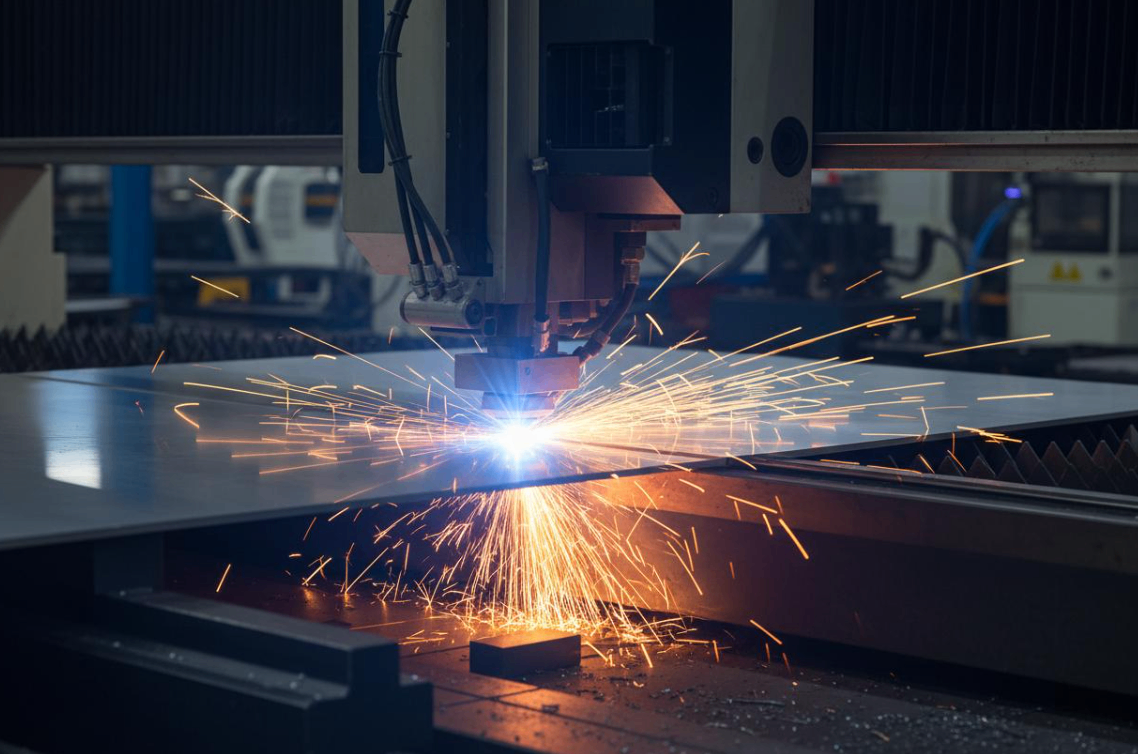
Cutting and Machining: 5000 series aluminum can be cut into different shapes and dimensions using suitable industrial equipment. Proper tool selection and cutting parameters help achieve clean edges and accurate dimensions while reducing material waste.
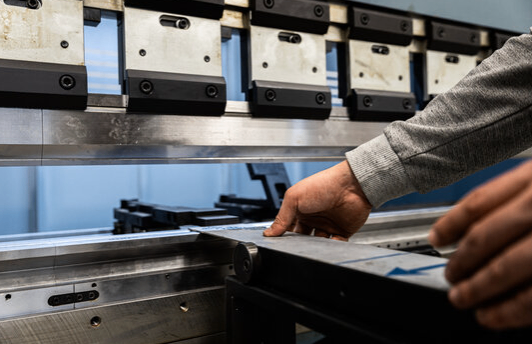
Bending and Forming: Grades such as 5052 are widely used in sheet metal fabrication because of their good formability. The required bend radius should be determined according to the alloy temper, material thickness, and forming method to reduce the risk of cracking.
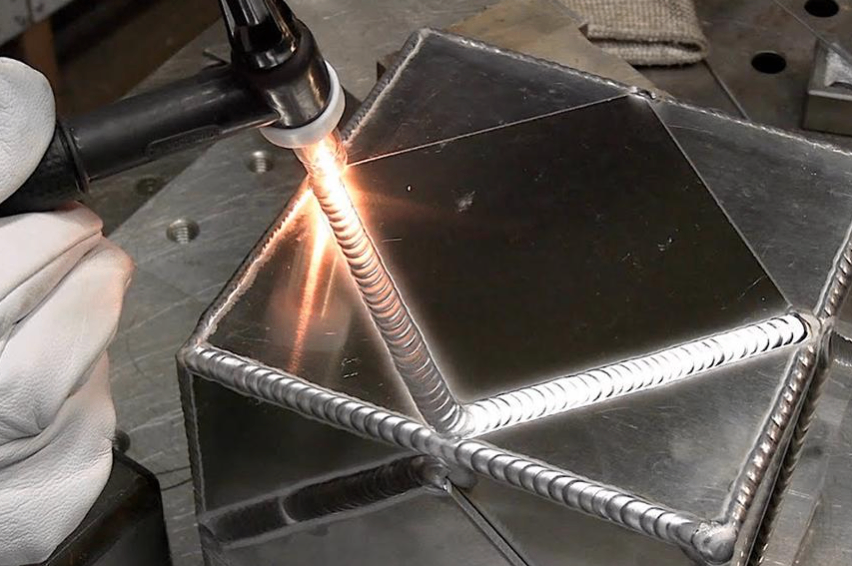
Welding: Many 5000 series alloys offer good weldability. Grades such as 5052, 5083, and 5086 are commonly used in welded assemblies. However, welding procedures and filler metal selection should match the specific alloy and application requirements.
For manufacturers, understanding these processing characteristics helps reduce fabrication difficulties and improve production efficiency. When sourcing 5000 series aluminum plate, buyers should provide their intended processing methods so suppliers can recommend suitable grades and tempers.
What Surface Finishes Are Available for 5000 Series Aluminum Sheet?
Surface finish is another important consideration when selecting 5000 series aluminum sheet for industrial and commercial applications. The required finish can influence the material's appearance, surface protection, further processing, and suitability for the final product.
Common surface finish options may include:
Mill Finish: A standard untreated aluminum surface suitable for general industrial fabrication and further processing.
Anodized Finish: An electrochemical surface treatment that creates a protective oxide layer and can improve surface durability and appearance. The final result depends on the alloy and anodizing process.
Brushed Finish: A directional surface texture commonly used for decorative panels, equipment housings, and architectural components.
PVC Protective Film: A temporary protective layer that helps reduce scratches and surface damage during transportation, storage, and fabrication.
Painted or Coated Finish: A coating option for projects that require specific colors or additional surface protection.
Not every finish is suitable for every 5000 series alloy or application. Buyers should confirm the available treatment options, surface requirements, and inspection criteria with their aluminum supplier before placing an order.
5000 Series vs. 3000 Series vs. 6000 Series Aluminum: What Is the Difference?
When selecting aluminum materials for industrial manufacturing, buyers often compare 3000, 5000, and 6000 series alloys. Although all three offer useful properties for different applications, their alloy compositions and performance characteristics are different.
| Aluminum Series | Main Alloying Element | Key Characteristics | Typical Applications |
|---|---|---|---|
| 3000 Series Aluminum Sheet | Manganese | Good corrosion resistance and formability | Roofing, heat exchangers, general fabrication |
| 5000 Series Aluminum Sheet | Magnesium | Good corrosion resistance, weldability, and strength | Marine structures, tanks, transportation |
| 6000 Series | Magnesium and Silicon | Heat-treatable, good strength, and machinability | Structural components, frames, machinery |
The 5000 series is often preferred when corrosion resistance, welding performance, and fabrication properties are important. The 3000 series is commonly used for general-purpose sheet products and applications requiring good formability. Meanwhile, 6000 series alloys are widely used in structural components where heat-treatable strength and machinability are required.
The best choice depends on the operating environment, required mechanical properties, manufacturing process, and budget. For buyers considering 5000 series aluminum sheet or plate, comparing these material characteristics can help identify the most suitable alloy before production begins.
Frequently Asked Questions About 5000 Series Aluminum Sheet and Plate
1. What is 5000 series aluminum sheet mainly used for?
5000 series aluminum sheet is commonly used in marine equipment, vehicle panels, storage tanks, industrial enclosures, and fabricated metal components. Its magnesium-based alloy composition provides good corrosion resistance, weldability, and useful mechanical strength. The specific application depends on the selected grade, temper, and thickness.
2. What is the difference between 5000 series aluminum sheet and aluminum plate?
The main difference is their product form and typical thickness range. Aluminum sheet is commonly used for panels, enclosures, and formed components, while aluminum plate is often selected for heavier structural and industrial applications. Because thickness classifications vary by standard and market, buyers should confirm the required dimensions and applicable specification when ordering.
3. Which 5000 series aluminum grade is best for marine applications?
Grades 5083 and 5086 are commonly used for marine applications because of their good seawater corrosion resistance, weldability, and strength. Grade 5083 is widely specified for shipbuilding and demanding marine structures. The final selection should consider structural loads, welding requirements, service conditions, and applicable marine standards.
4. Is 5000 series aluminum sheet suitable for welding and bending?
Yes. Many 5000 series aluminum alloys offer good weldability and formability. Grade 5052 is frequently used for sheet metal bending and fabrication, while 5083 and 5086 are common choices for welded marine structures. Actual performance depends on the alloy grade, temper, thickness, bend radius, and welding procedure.
5. Can 5000 series aluminum plate be used outdoors?
Yes. Many 5000 series aluminum alloys provide good resistance to atmospheric corrosion, making them suitable for various outdoor applications. For coastal or marine environments, grade selection and installation practices are especially important. Surface condition, exposure to salt, contact with dissimilar metals, and maintenance requirements should be considered before specifying the material.
6. What information is needed to get a quotation for 5000 series aluminum sheet?
To obtain an accurate quotation, specify the alloy grade, temper, thickness, width, length, required quantity, surface finish, and delivery destination. If the material will be used in marine engineering, welding, or other regulated applications, include the relevant material standards and inspection requirements. Providing a drawing or technical specification can further simplify the quotation process.


